How Long For Secure Erase Mac
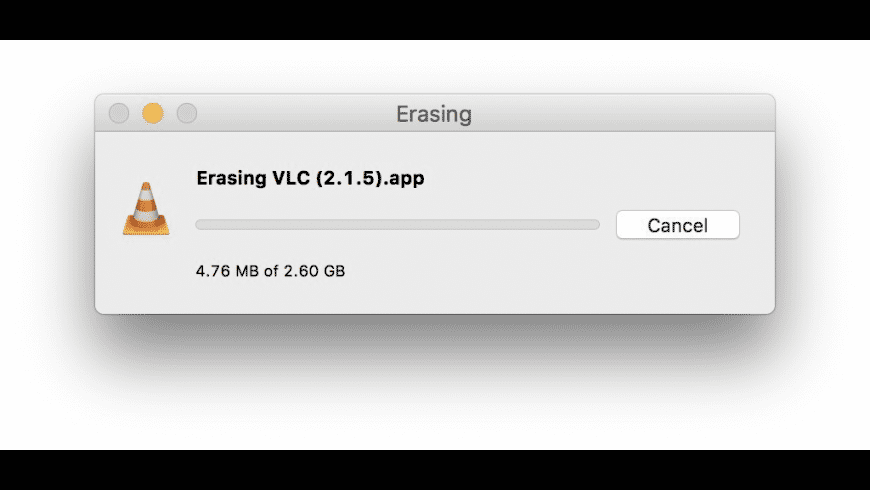
How to securely delete files. You can erase the “free” space on your Mac’s hard drive. This seeks out any areas of the drive marked as available for new data and overwrites them with.
Do you have an older Mac with a regular HDD? Learn how to make sure deleted files cannot be recovered by securely wiping the free space on the drive.
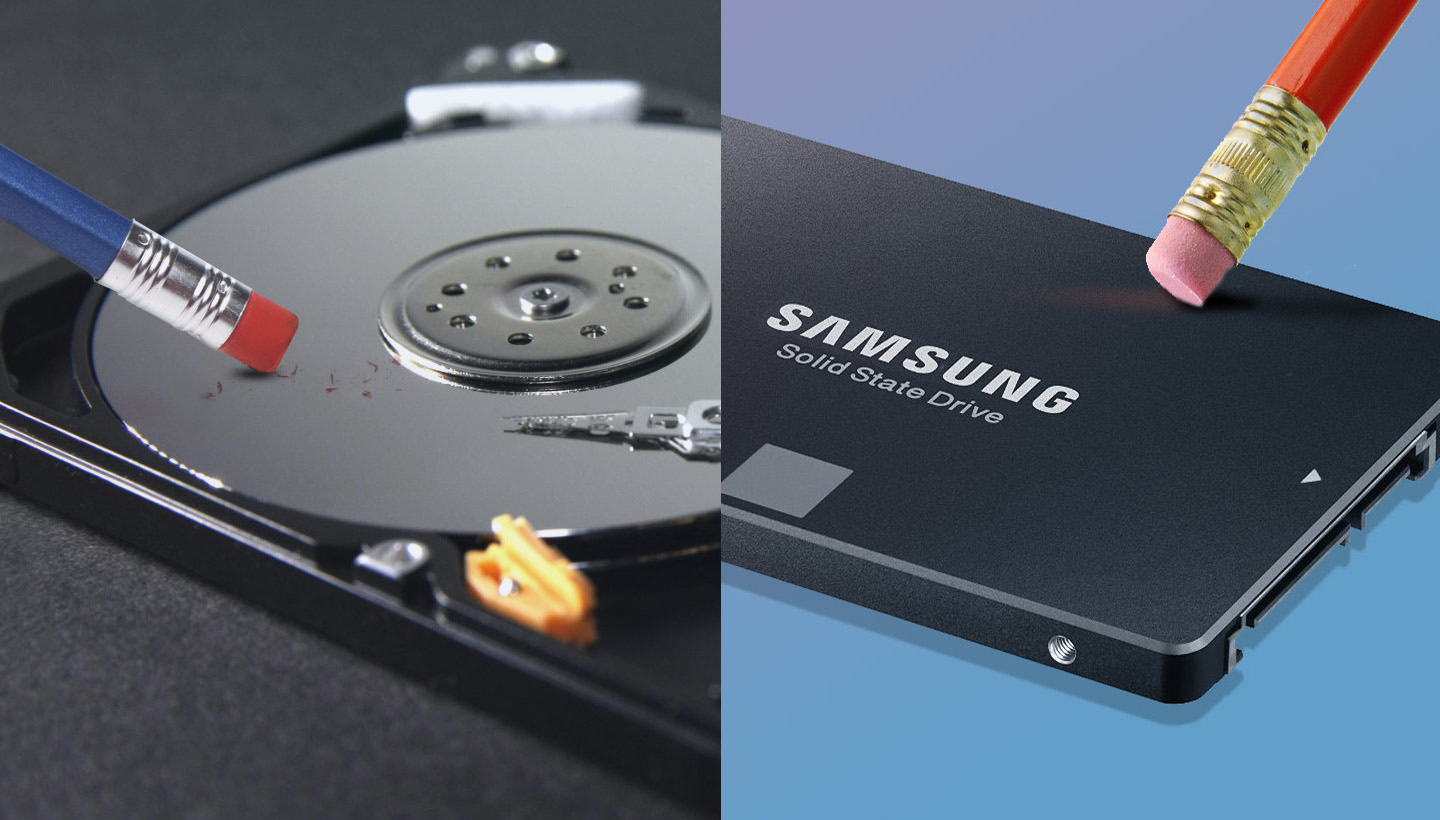
When you delete files on a regular hard drive on your Mac (not an SSD), the files remain on the drive. But they’re no longer accessible by your Mac.
However, anyone who gets a hold of your Mac, and who has intermediate computer skills, might be able to recover deleted files from your drive. Unless you delete them securely first.
If you didn’t already securely delete your files, it’s not too late. If you have a regular spinning hard drive (HDD) in your Mac, you can securely wipe the free space on your Mac, preventing recovery of any files that were not securely deleted. If your Mac has an SSD, you do not need to securely wipe the free space and you shouldn’t.
Today we’ll discuss what happened to the Secure Erase Free Space feature in Disk Utility on your Mac and how to securely wipe the free space on your Mac’s HDD without that feature.
What Happened to Secure Erase Free Space in macOS?
The Secure Erase Free Space feature in Disk Utility on your Mac added a layer of privacy and security to file deletion. The feature allowed you to overwrite the free space on a drive to prevent deleted files from being recovered.
Modern versions of macOS, and later versions of OS X, like El Capitan, don’t include the Secure Erase Free Space feature in Disk Utility. Because most Macs now come with Solid State Drives (SSDs) instead of regular hard disks, Apple feels there is no need for the feature. When you erase files normally on an SSD, it’s difficult to recover that data.
Apple explained that you don’t need to securely erase your Mac’s SSD in their online knowledgebase:

With an SSD drive, Secure Erase and Erasing Free Space are not available in Disk Utility. These options are not needed for an SSD drive because a standard erase makes it difficult to recover data from an SSD.
Use FileVault to Keep Your Data SafeWhether you have an SSD or an HDD, you should use FileVault to protect your data. FileVault encrypts your whole drive so all your files are protected. You need a password to access anything on the drive. Without it, your data remains encrypted and safe from unauthorized access
.Securely Wipe the Free Space on Your Mac Using the Command Line
Before wiping the free space on your Mac using the command line, back up your data.
Once you’ve backed up your data, open the Terminal app from the Applications > Utilities folder.
Then, type the following command at the prompt and press Enter.
Make sure you include “freespace” in the command. This indicates you are only erasing the free space on the drive and not the entire drive.
The number “4” indicates the wipe level performed on the drive’s free space. You can use “4” for the wipe level, or select a different option from the following list:
- 0 – Single-pass zero-fill erase.
- 1 – Single-pass random-fill erase.
- 2 – US DoD 7-pass secure erase.
- 3 – Gutmann algorithm 35-pass secure erase.
- 4 – US DoE algorithm 3-pass secure erase.
The more passes you do when wiping the free space, the longer the process takes.
Replace “Macintosh HD” with the name of the volume you want to wipe the free space on. If the name of the volume contains a space, type a backslash in front of the space, like we did in our command. Make sure you include “/Volumes/” before the name of the volume.
When the wiping process finishes, you’ll see a message and you’re returned to the command prompt.
Securely Wipe the Free Space on Your Mac Using CCleaner
CCleaner for Mac has fewer tools available than CCleaner for Windows. But you can use it to securely wipe the free space on an HDD using the free version of CCleaner. You can pay for the Pro version, but it’s not necessary.
Download and install CCleaner. When you open the program, click Tools on the left pane. Then, click Erase Free Space in the middle pane.
Select a volume you want to erase the free space on. If you select an SSD, a message displays in the Details box saying Erase Free Space is not available for SSDs.
Once you select a regular HDD, choose one of the following options from the Security drop-down list.
- Zero Out
- 7-Pass Erase
- 35-Pass Erase
Then, click Erase Free Space.
CCleaner warns you that the process may take several hours to complete.
To start erasing the free space on the selected drive, click Yes. If you’ve changed your mind, click No.
If you clicked Yes, enter your password if prompted.
The wiping process begins and the progress displays in the Details box.
Prevent Private Data from Being Recovered
Apple devices, including Macs, are known for lasting a long time. So, if you still have an older Mac with a regular HDD, use one of these methods to ensure your sensitive deleted files can’t be recovered.
If you also use a Windows PC, here are a few ways you can securely wipe free space in Windows.
Do you know of any other methods or tools for securely wiping free space on a Mac or other secure data removal options for modern versions of the Mac operating system? Share your thoughts and ideas with us in the comments below!
Moving to a new Mac?
Learn how to move your files to your new Mac. Do this before you erase the hard drive or follow any other steps.
Create a backup
Be sure you have an up-to-date backup of your important files and data. Learn how to back up your data in macOS. If you have macOS Catalina, skip the sign out of iTunes step.
Sign out of iTunes on macOS Mojave or earlier
Open iTunes. From the menu bar at the top of your computer screen or at the top of the iTunes window, choose Account > Authorizations > Deauthorize This Computer.
When prompted, enter your Apple ID and password. Then click Deauthorize.
Learn more about deauthorizing your computer using iTunes, including how to deauthorize all the computers you've used with your iTunes account.
Sign out of iCloud
Choose Apple menu > System Preferences, then click Apple ID. Choose iCloud in the side panel and Turn off Find My Mac. Then select Overview in the side panel and click Sign Out.
If you have macOS Mojave or earlier, choose Apple menu > System Preferences, click iCloud, and then Sign Out.
A dialog asks whether you want to keep a copy of your iCloud data on the Mac. Because you'll reformat the hard drive in a later step, just click Keep a Copy to proceed.
After you sign out of iCloud, your iCloud data remains in iCloud and on any other devices you've signed in to with your Apple ID.
Sign out of iMessage
If you're using OS X Mountain Lion or later, sign out of iMessage.
In the Messages app, choose Messages > Preferences, click iMessage, then click Sign Out.
If you're keeping paired Bluetooth devices, unpair them (optional)
If you have Bluetooth devices — such as keyboards, mice, or trackpads — paired with your Mac, and you plan to keep these devices, you can unpair them. This optional step prevents accidental input on the Mac if the computer and the Bluetooth devices have separate owners but remain within Bluetooth range of one another.
If you're unpairing an iMac, Mac mini, or Mac Pro, you must have a USB or other wired keyboard and mouse to complete these steps.
To unpair your Bluetooth devices, choose Apple menu > System Preferences, then click Bluetooth. Hover the pointer over the device that you want to unpair, then click the remove (x) button next to the device's name. When the dialog asks if you're sure, click Remove.
If you're using an iMac, Mac Pro, or Mac mini, use a USB or other wired keyboard and mouse to complete the next step.
Erase your hard drive and reinstall macOS
The best way to restore your Mac to factory settings is to erase your hard drive and reinstall macOS.
After macOS installation is complete, the Mac restarts to a Welcome screen and asks you to choose a country or region. If you want to leave the Mac in an out-of-box state, don't continue with the setup of your system. Instead, press Command-Q to shut down the Mac. When the new owner turns on the Mac, setup assistant will guide them through the setup process.
Learn more
No matter the model or condition, we can turn your device into something good for you and good for the planet. Learn how to trade in or recycle your Mac with Apple Trade In.